





















































































































Table of Contents
ToggleHow to Practice Holistic Wellness: 10 Simple Ways to Create Balance
Author: RVLNSV PRASAD
Updated On: September 2026
About Us
Author Bio
Editorial Policy
Contact Us
Introduction
Holistic wellness does not mean changing your entire life overnight. It does not require expensive supplements, complicated routines, or following every wellness trend you see online.
A more practical approach is to look at the different parts of your life that influence your health. Sleep, nutrition, physical activity, stress, relationships, emotional well-being, environment, and purpose can all matter.
This is the basic idea behind holistic wellness practices.
The National Center for Complementary and Integrative Health describes whole-person health as an approach that considers interconnected biological, behavioral, social, and environmental factors rather than focusing only on a single organ, symptom, or disease. NCCIH — Whole Person Health: What It Is and Why It’s Important
That does not mean every holistic treatment is scientifically proven.
It means health can be viewed more broadly while still asking an important question:
What does the evidence actually show?
This distinction matters when you are choosing wellness practices for yourself.
You can use evidence-supported habits such as adequate sleep, healthy eating, physical activity, and appropriate stress-management techniques without assuming that every natural remedy or wellness product works.
This guide takes that approach.
The goal is not perfect wellness.
It is a healthier lifestyle that fits real life.
Quick Answer
The most useful holistic wellness practices are usually simple behaviors that support several areas of health at the same time.
They include:
- getting adequate sleep
- eating a varied and balanced diet
- moving regularly
- managing stress
- maintaining supportive relationships
- spending time outdoors
- protecting periods of mental rest
- developing meaningful routines
- practicing self-awareness
- seeking professional help when symptoms need evaluation
You do not need to practice all of them every day.
The goal is balance, not perfection.
What Is Holistic Wellness?
Holistic wellness means considering health as more than one symptom or body system.
A whole-person approach can include:
- physical health
- mental well-being
- emotional health
- social connection
- nutrition
- sleep
- physical activity
- environment
- meaning and purpose
- access to appropriate healthcare
The whole-person approach recognizes that these factors can interact rather than existing in completely separate boxes. NCCIH describes whole-person health as an emerging area that considers biological, behavioral, social, and environmental influences together. NCCIH—Whole Person Health: What It Is and Why It’s Important
However, holistic wellness should not be presented as a cure-all.
Some individual practices have substantial evidence behind them, while evidence for complex combinations of wellness practices is still developing.
Holistic does not mean “natural cures.”
This distinction is particularly important.
Holistic wellness can include healthy eating, exercise, sleep, mindfulness, yoga, relaxation techniques, social connection, and other lifestyle practices.
It does not mean replacing necessary medical treatment with an unproven remedy.
The terms “complementary,” “alternative,” and “integrative” also have different meanings in healthcare. NCCIH explains that complementary approaches are generally used alongside conventional medicine, while alternative approaches are used instead of conventional medicine. Integrative health brings conventional and complementary approaches together in a coordinated way. NCCIH—Complementary, Alternative, or Integrative Health: What’s in a Name?
For a responsible wellness plan, evidence and safety should come before the word “natural.”
The 6 Areas of Whole-Person Wellness
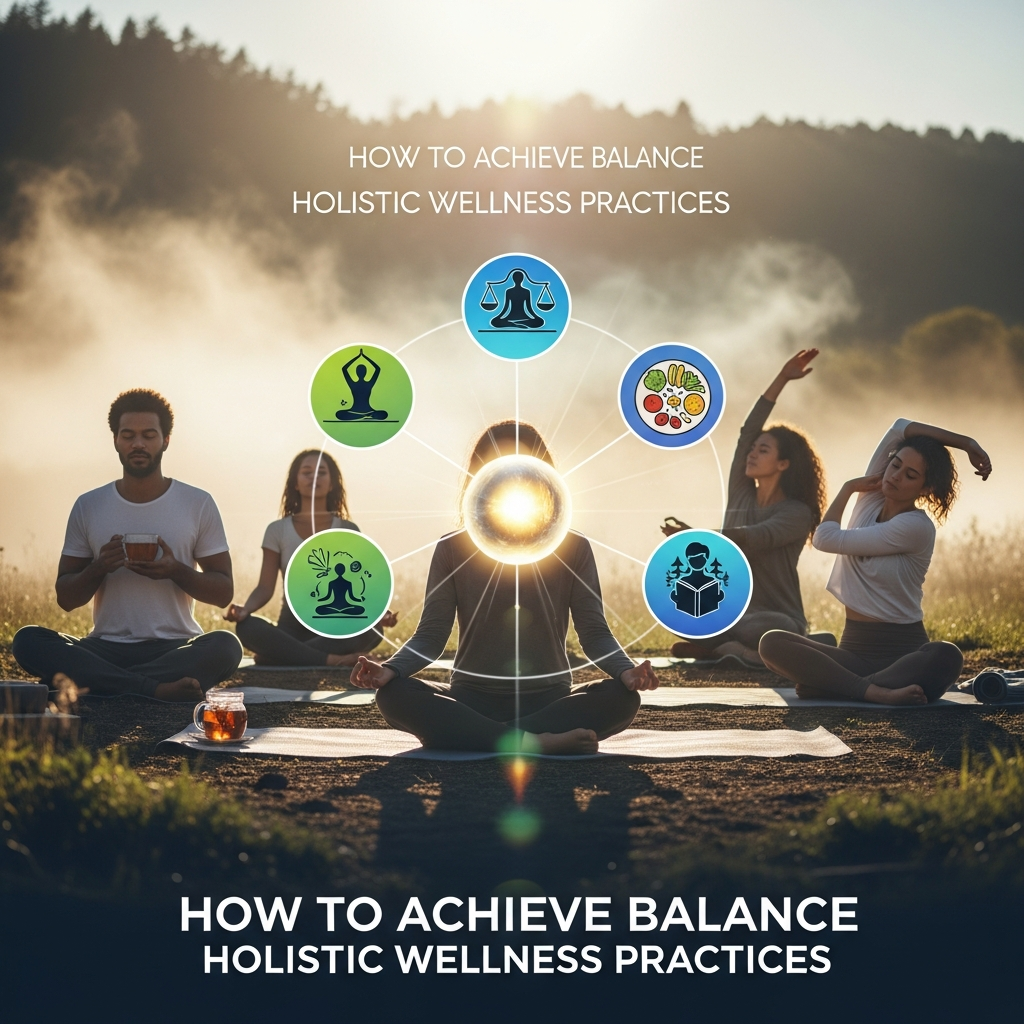
A practical way to understand holistic wellness is to divide it into six connected areas.
| Area | What it includes | Simple starting point |
|---|---|---|
| Physical | Movement, sleep, and physical health | Walk regularly. |
| Nutrition | Food quality, variety, and hydration | Add vegetables or fruit |
| Mental | Attention, learning, and mental rest | Create distraction-free time. |
| Emotional | Recognizing and managing emotions | Name what you are feeling. |
| Social | Relationships and connection | Contact someone you trust. |
| Purpose | Meaning, values and personal goals | Choose one meaningful activity. |
You do not need to improve all six areas simultaneously.
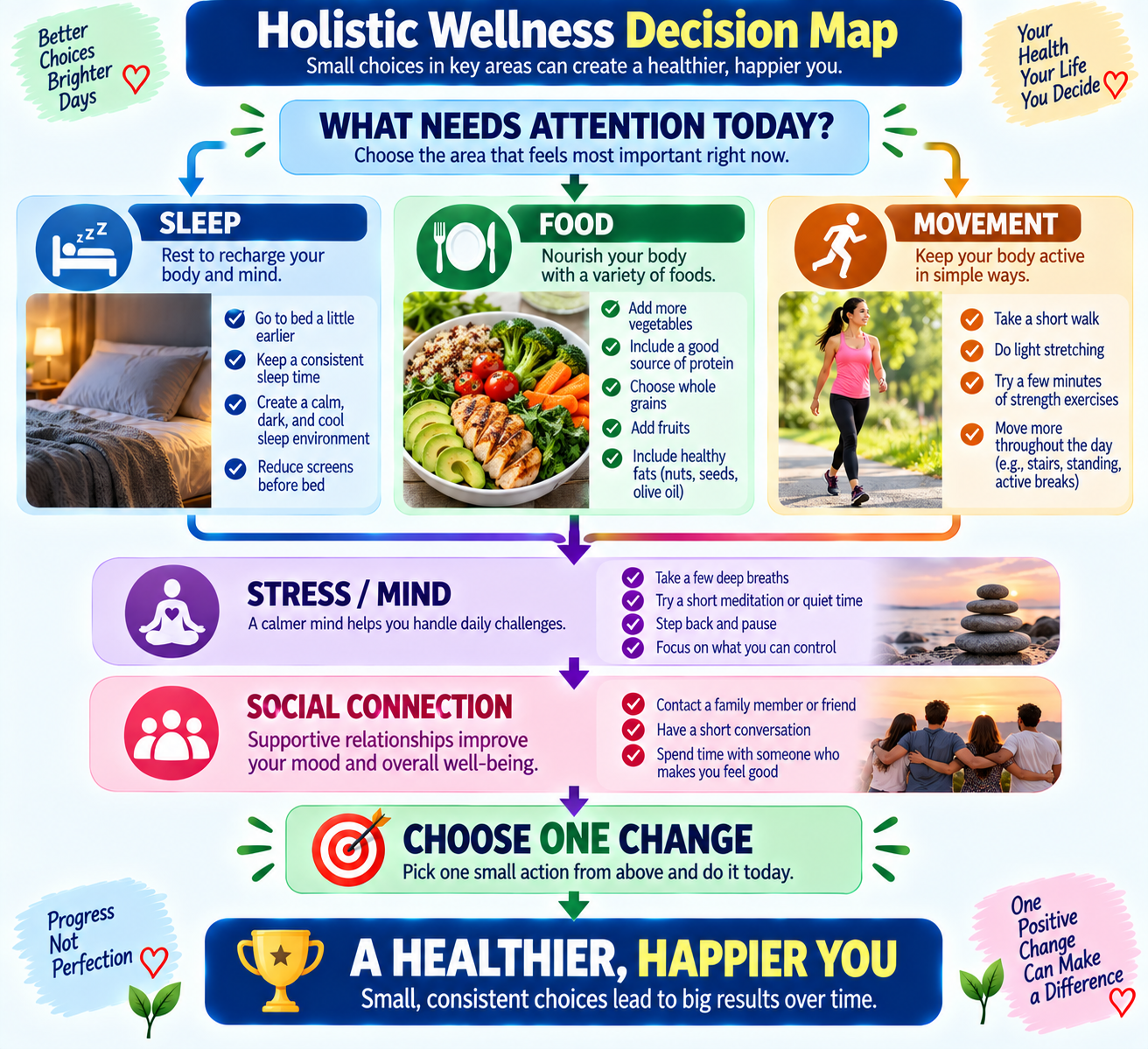
Start with the area that currently needs the most attention.
1. Build Your Wellness Around Sleep
Sleep is often the first thing people sacrifice when life becomes busy.
That can work against the rest of your wellness efforts.
Sleep supports many aspects of physical and mental health. The CDC recommends that adults aged 18–60 generally get 7 or more hours of sleep per night, with different recommendations applying to other age groups. CDC—Sleep and Health
Instead of adding more activities to your day, first ask whether you are giving your body enough opportunity to recover at night.
A sleep-supportive routine can include:
- keeping a reasonably consistent sleep schedule
- creating a comfortable bedroom
- reducing stimulating activities before bed
- limiting unnecessary evening light
- addressing persistent sleep problems with a healthcare professional
A simple sleep reset
If your sleep schedule has become inconsistent, don’t attempt ten changes at once.
Start with one anchor.
Choose a realistic wake time.
Then gradually organize your bedtime and evening habits around it.
The purpose is not to create a perfect bedtime routine. It is to make adequate sleep easier to achieve consistently.
2. Eat for Variety Instead of Following a “Perfect” Diet
Nutrition is another major part of whole-person wellness.
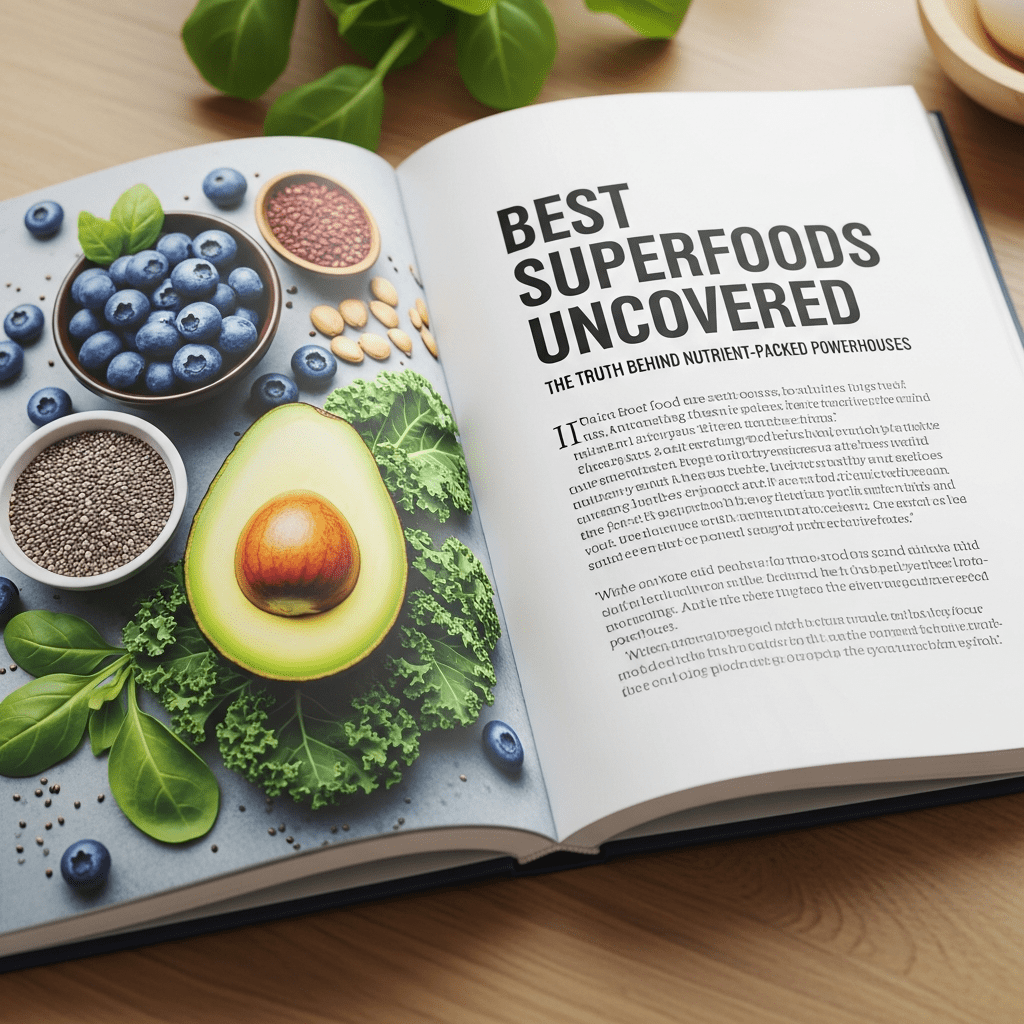
But healthy eating does not require expensive superfoods.
WHO’s January 2026 healthy-diet guidance emphasizes four principles: adequacy, balance, moderation, and diversity. The guidance also emphasizes a variety of minimally processed and unprocessed foods. WHO—Healthy Diet, January 2026
That makes healthy eating more practical than many wellness trends suggest.
Build meals around a basic pattern.
Try to include:
Protein + vegetables or fruit + a high-fiber carbohydrate + healthy fat when appropriate
For an Indian meal, that could mean:
- dal + vegetables + roti
- rice + rajma + vegetables
- idli + sambar + vegetables
- curd + fruit + nuts
- eggs + vegetables + whole-grain toast
- poha + vegetables + peanuts
- paneer + vegetables + roti
Healthy eating also needs to fit the person.
WHO notes that the composition of a healthy diet can vary according to factors such as age, lifestyle, physical activity, cultural context, food availability, and dietary traditions. WHO India—Healthy Diet
That is particularly relevant for Indian readers.
You do not need to copy a Western wellness diet to eat well.
A practical “add before subtract” rule
Instead of immediately asking:
“What unhealthy food should I remove?”
ask:
“What nutritious food can I add?”
- Add vegetables to lunch.
- Add fruit to breakfast.
- Add pulses to a meal.
- Add nuts or seeds in a sensible portion.
This can make healthy eating feel less restrictive.
3. Move Your Body Regularly
Physical wellness does not require an extreme fitness program.
- Walking counts.
- Dancing counts.
- Cycling counts.
- Swimming counts.
- Strength training counts.
Some forms of yoga can also contribute to physical activity.
The World Health Organization (WHO) recommends that adults aim for 150–300 minutes of moderate-intensity aerobic activity each week, or 75–150 minutes of vigorous-intensity activity, or an equivalent combination of both. Adults should also include muscle-strengthening exercises that work the major muscle groups on at least two days per week. WHO — Physical Activity Recommendations
However, if you currently do very little activity, don’t treat those numbers as a pass-or-fail test.
Some physical activity is better than none.
The “movement snacks” approach
Break activity into smaller opportunities.
For example:
- walk for five minutes after a meal
- take the stairs when practical
- move during long work sessions
- walk while talking on the phone
- perform a short mobility routine
- take a brief evening walk
These small actions may help make an inactive day more active.
People-first insight
The best exercise plan is not necessarily the most impressive one.
If a 20-minute walk is realistic for you but an hour-long gym session is not, the walk may be the habit you actually maintain.
That matters.
4. Use Mindfulness as a Skill, Not a Cure-All
Mindfulness is often promoted as a solution for almost everything.
The evidence is more nuanced.
NCCIH describes meditation and mindfulness as mind-and-body practices that have been studied for conditions including stress, anxiety, depression, pain, and sleep problems. Evidence varies depending on the specific practice and health outcome. NCCIH—Mind and Body Practices
A simple practice can still be useful.
The three-minute pause
Sit comfortably.
Notice your breathing without trying to force it.
Then notice:
- what you are thinking
- what you are feeling
- what sensations you notice
You don’t need to empty your mind.
You are practicing awareness.
The important point is to avoid presenting mindfulness as a guaranteed treatment for every mental or physical condition.
5. Learn to Recognize Emotional Needs
Emotional wellness does not mean feeling happy all the time.
Anger, sadness, frustration, disappointment, and fear are normal human experiences.
The goal is not to eliminate emotions.
It is to develop healthier ways of recognizing and responding to them.
Try asking:
- What am I feeling?
- What happened before I felt this way?
- What do I need right now?
- Is there something I can change?
- Would talking to someone help?
This creates a small opportunity to respond rather than react automatically.
A simple emotional check-in
At the end of the day, rate these areas from 1 to 5:
| Question | Score |
|---|---|
| How rested do I feel? | 1–5 |
| How stressed do I feel? | 1–5 |
| How connected do I feel? | 1–5 |
| How physically active was I? | 1–5 |
| Did I do something meaningful? | 1–5 |
You don’t need a perfect score.
The purpose is to notice patterns.
6. Protect Your Social Health
Social wellness can easily disappear when life becomes busy.
Supportive relationships are part of a broader approach to health and well-being.
WHO’s current self-care guidance includes connecting with others among lifestyle behaviors that can support health and well-being. WHO—Self-Care for Health and Well-Being, June 2026
Social connection can involve:
- family
- friends
- colleagues
- neighbors
- community groups
- volunteering
- shared activities
You don’t need dozens of friends.
A small number of supportive relationships can be meaningful.
The “one connection a day” idea
If your social life has become limited, start small.
Send a genuine message.
Call someone.
Have tea with a family member.
Take a walk with a friend.
Ask someone how they are actually doing.
The goal is not to maximize your number of contacts.
It is to create meaningful connection.
7. Spend Time Outdoors
Nature exposure is an accessible wellness practice because it does not require expensive equipment.
You can:
- walk in a park
- sit outside
- garden
- spend time around trees
- take a short outdoor break
- walk without constantly checking your phone
Avoid describing nature exposure as a guaranteed treatment for depression, anxiety, or abnormal cortisol levels.
The evidence varies according to the type, duration, and setting of the exposure.
Instead, think about what happens when several healthy behaviors are combined.
Outdoor walk = movement + daylight + change of environment + opportunity for mental rest.
That is the holistic advantage.
8. Create a Low-Stimulation Period Every Day
Modern life provides constant stimulation.
Notifications.
Messages.
Short videos.
News.
Emails.
Entertainment.
You don’t have to eliminate technology.
Instead, create one period when you deliberately reduce unnecessary stimulation.
Try:
20–30 minutes without nonessential notifications.
During that time, you could:
- walk
- eat without scrolling
- read
- sit outside
- talk with someone
- stretch
- journal
- prepare tomorrow’s tasks
The goal is not to become anti-technology.
It is to create room for attention.
9. Use Small Routines Instead of a Huge Wellness Schedule
One of the biggest problems with wellness advice is that it can become another source of stress.
Imagine a daily checklist containing:
- meditation
- yoga
- strength training
- cardio
- journaling
- supplements
- meal preparation
- cold shower
- breathwork
- gratitude
- reading
- digital detox
- nature walks
Even healthy activities can become overwhelming when every item feels compulsory.
Instead, create three anchors.
Morning anchor
Light + movement + one priority
Midday anchor
Balanced meal + short movement break
Evening anchor
Lower stimulation and prepare for sleep.
That may be enough.
You can add other practices when they genuinely improve your life.
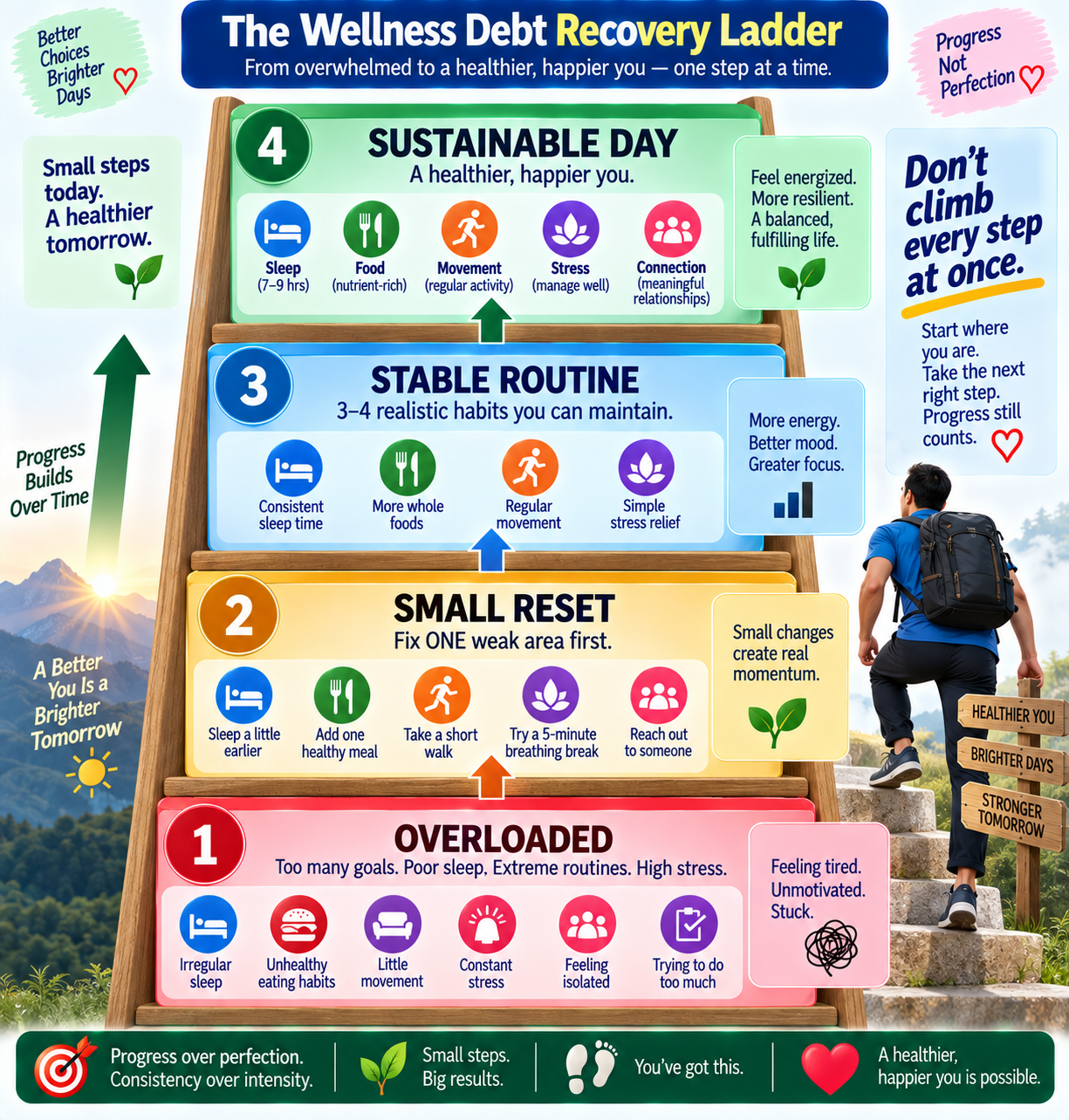
10. Create a Personal Wellness Plan
A wellness plan should reflect your actual circumstances.
Use this simple framework.
Keep
What healthy habit already works?
Example:
I walk after dinner.
Improve
What habit could be slightly better?
Example:
I want to make my bedtime more consistent.
Remove
What creates unnecessary stress?
Example:
I check work messages during dinner.
Add
What small behavior could support your weakest area?
Example:
I will spend 10 minutes outdoors after lunch.
This four-part framework can be repeated every few weeks.
Your Personal Wellness Scorecard
Instead of asking:
“Am I healthy?”
ask more specific questions.
| Area | Question | Current status |
|---|---|---|
| Sleep | Am I regularly getting enough sleep? | ☐ |
| Food | Is my diet varied and balanced? | ☐ |
| Movement | Am I active during the week? | ☐ |
| Stress | Do I have healthy ways to decompress? | ☐ |
| Relationships | Do I maintain meaningful connections? | ☐ |
| Purpose | Do I make time for what matters? | ☐ |
| Healthcare | Am I addressing persistent concerns? | ☐ |
This approach helps identify where action is actually needed.
A One-Day Holistic Wellness Plan
You don’t need an elaborate retreat to practice whole-person wellness.
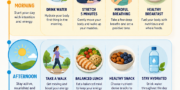
Morning
Open the curtains and get some daylight.
Drink water if you are thirsty.
Do a few minutes of movement.
Eat a balanced breakfast if you prefer breakfast.
Choose one important task.
Afternoon
Eat a balanced meal.
Take a short movement break.
Step outside if possible.
Check in with your stress level.
Evening
Spend time with someone you care about.
Reduce unnecessary stimulation.
Prepare for tomorrow.
Give yourself enough opportunity to sleep.
The objective is not perfection.
It is creating connections between different parts of your day.
A 7-Day Holistic Wellness Reset
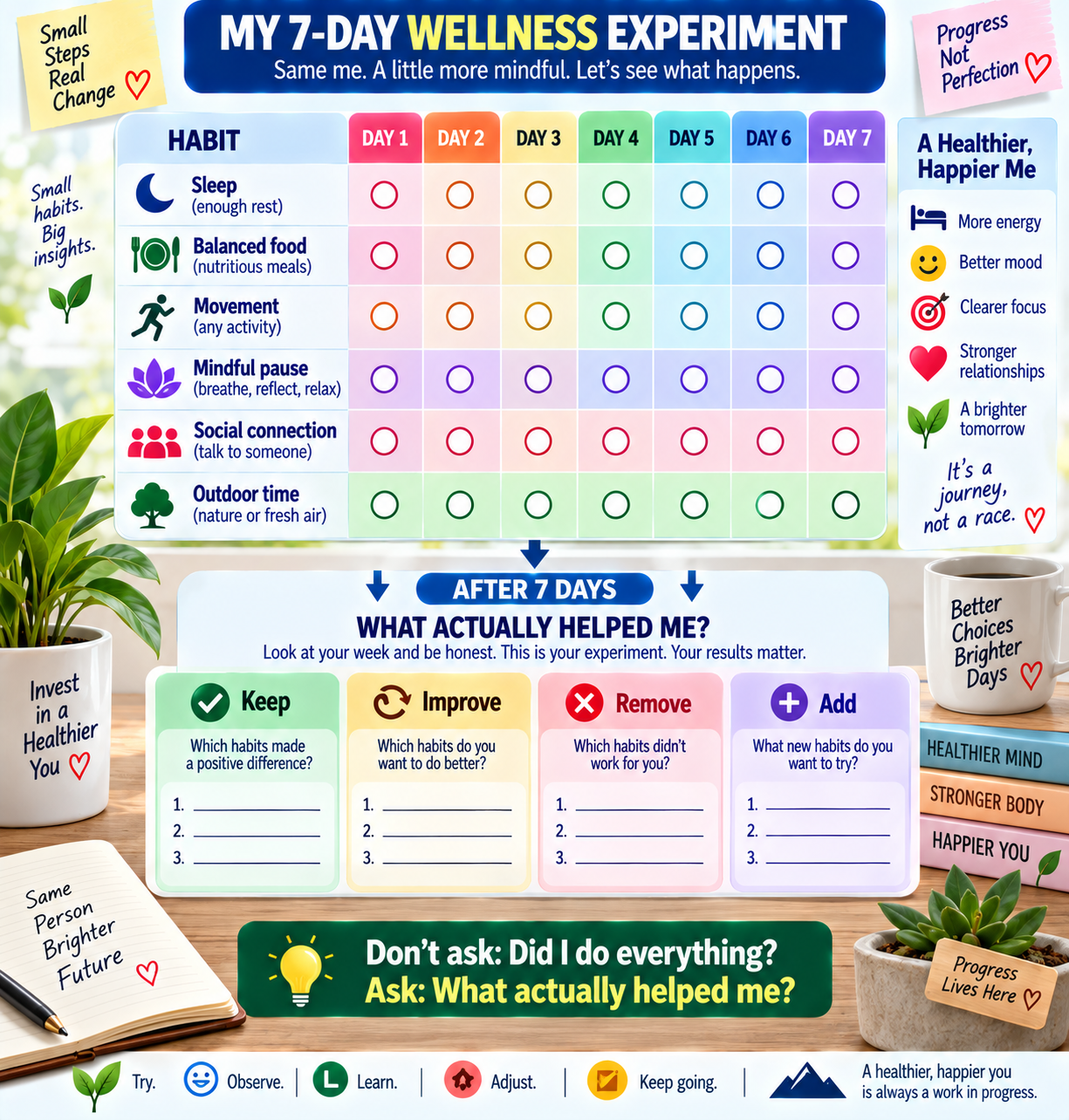
| Day | Focus |
|---|---|
| Day 1 | Establish a realistic sleep/wake schedule. |
| Day 2 | Add more vegetables or fruit. |
| Day 3 | Take a 20-minute walk. |
| Day 4 | Practice three minutes of mindful breathing. |
| Day 5 | Contact someone you care about. |
| Day 6 | Spend time outdoors without your phone. |
| Day 7 | Review which habits actually helped |
Don’t feel obligated to keep every habit permanently.
At the end of seven days, keep the practices that genuinely fit your life.
Common Mistakes in Holistic Wellness
Trying to change everything at once
A huge lifestyle overhaul can create unnecessary pressure.
Start with one or two changes.
Treating wellness products as necessities
Supplements, powders, gadgets, and wellness products can be expensive.
Many foundational wellness behaviors do not require special products.
Confusing “natural” with “safe”
Natural substances can have side effects and interactions.
A product being labeled natural does not automatically establish that it is safe or effective.
Replacing medical care
Do not use meditation, supplements, fasting, herbs, or other wellness practices as substitutes for necessary medical evaluation or treatment.
WHO’s 2026 self-care guidance emphasizes that self-care can complement the health system but does not replace healthcare workers. WHO—Self-Care for Health and Well-Being, June 2026
Following someone else’s routine
Your needs may be completely different from those of a fitness influencer or wellness personality.
Measuring everything
Tracking can be useful.
But constantly measuring sleep, steps, calories, mood, heart rate, and productivity can become stressful for some people.
Use tracking when it helps.
Stop when it becomes another burden.
Expecting instant transformation
Wellness is usually built through repeated behaviors rather than one dramatic intervention.
What Holistic Wellness Can—and Cannot—Do
Holistic wellness can help organize healthy behaviors around the whole person.
It can encourage attention to:
- sleep
- physical activity
- nutrition
- stress
- relationships
- environment
- purpose
However, it cannot guarantee freedom from disease.
It cannot replace a medical diagnosis, promise that meditation will cure depression, or guarantee that a supplement will correct every nutritional problem. For serious illnesses, evidence-based medical treatment remains essential.
This distinction is especially important because NCCIH identifies whole-person health as an emerging research area and highlights the need for more rigorous research into complex, multicomponent interventions. NCCIH—Research on Whole Person Health
What the Latest Research Is Showing
Whole-person health research is becoming more structured.
Researchers are increasingly interested in how biological, behavioral, social, and environmental factors interact rather than examining health through only one isolated variable.
NCCIH’s research priorities specifically include whole-person health and the development of approaches that can investigate these interconnected factors. NCCIH—Research on Whole Person Health
Researchers are also developing better ways to measure whole-person health.
One challenge with holistic wellness research is measurement.
How do researchers measure something as broad as “whole-person health”?
NCCIH-supported researchers have developed the Whole Person Health Index, which is intended to provide a structured way to assess multiple dimensions of health and well-being in research settings. NCCIH—Whole Person Health Index
This does not prove that every holistic wellness program works.
It shows that researchers are working toward better ways to study complex health outcomes.
Self-care research is also developing.
WHO published updated self-care guidance in June 2026, describing self-care as a broad area that includes actions people take to promote health, prevent disease, maintain health, cope with illness, and manage health needs, while emphasizing that self-care should complement—not replace—the health system. WHO—Self-Care for Health and Well-Being, June 2026
This is an important distinction from vague wellness marketing.
Evidence-based self-care involves specific practices and appropriate safety boundaries.
Not every practice marketed as “holistic” has the same level of evidence.
Nutrition Research Is Moving Toward Dietary Patterns
The latest WHO healthy-diet guidance emphasizes adequacy, balance, moderation, and diversity rather than one perfect food or restrictive eating pattern. WHO—Healthy Diet, January 2026
This broader approach also matters at the population level.
The 2026 State of Food Security and Nutrition in the World report examines global food security, nutrition, food environments, and the affordability and accessibility of healthy diets. WHO/FAO/UNICEF/WFP/IFAD — State of Food Security and Nutrition in the World 2026
For people in India, a balanced eating pattern can include familiar foods such as:
- dal
- beans
- chickpeas
- vegetables
- fruits
- whole grains
- curd
- eggs
- fish
- nuts
- seeds
The exact pattern can vary according to dietary preferences, culture, availability, health conditions, and physical activity.
That is much more practical than telling everyone to buy expensive imported “superfoods.”
My Personal Experience With Holistic Wellness
I have found that wellness becomes difficult when it is treated as another performance target.
When I tried to think about everything at once, it was easy to feel that I was never doing enough.
A simpler approach was more practical.
I focused on a few basics: maintaining a better routine, moving regularly, paying attention to food quality, creating quieter periods during the day, and making time for people who matter.
That personal experience is not scientific evidence.
It simply illustrates an important people-first principle:
A wellness practice is only useful if it fits into your real life.
Research should determine what we claim is effective.
Personal experience can help explain what is practical.
Those are two different things.
Three Micro-Wellness Practices You Can Start Today
The transition pause
Before moving from one major activity to another, stop for 30 seconds.
Take a breath.
Ask:
“What am I doing next, and why?”
This creates a small transition between activities.
The connection meal
Once a day, try to eat with another person without everyone being absorbed in their phones.
The food does not need to be perfect.
The connection is part of the experience.
The outdoor reset
Take a short outdoor walk without using your phone for entertainment.
You combine movement with a change of environment.
The point is not that these practices are miracle interventions.
Their advantage is that they are simple enough to repeat.
When Should You Seek Professional Help?
Wellness practices can support general health, but persistent symptoms deserve proper evaluation.
Speak with a healthcare professional if you have:
- persistent or worsening fatigue
- unexplained weight changes
- ongoing sleep problems
- persistent pain
- prolonged low mood
- severe anxiety
- repeated dizziness
- unexplained digestive symptoms
- difficulty functioning normally
- symptoms that concern you
Mental health concerns deserve the same seriousness as physical symptoms.
Meditation, journaling, or exercise can be useful additions for some people, but they should not replace appropriate professional care when it is needed.
Key Takeaways
- Holistic wellness practices consider several interconnected areas of health rather than focusing on only one.
- Whole-person health includes biological, behavioral, social, and environmental factors. NCCIH—Whole Person Health
- Sleep is a foundation of wellness. CDC—Sleep and Health
- A varied, balanced diet is more useful than chasing individual “superfoods.” WHO—Healthy Diet
- Regular physical activity can be built into ordinary life. WHO—Physical Activity Recommendations
- Mindfulness is a useful area of research, but it should not be presented as a cure-all. NCCIH—Mind and Body Practices
- Supportive relationships are part of whole-person well-being. WHO—Self-Care for Health and Well-Being
- Self-care complements rather than replaces professional healthcare. WHO—Self-Care for Health and Well-Being
- Research into complex whole-person interventions is still developing. NCCIH—Research on Whole Person Health
Frequently Asked Questions
What are holistic wellness practices?
Holistic wellness practices are lifestyle and self-care approaches that consider multiple dimensions of health, including physical activity, nutrition, sleep, mental well-being, emotional health, relationships, environment, and meaning.
Is holistic wellness scientifically proven?
Some individual practices used within holistic wellness have substantial research behind them, including physical activity, healthy eating, adequate sleep, and some mindfulness approaches. However, research into complex whole-person and multicomponent interventions is still developing. NCCIH—Research on Whole Person Health
What is the easiest holistic wellness practice to start?
Start with one behavior that addresses a genuine need. A daily walk, consistent sleep schedule, balanced meal, or short period of quiet time can be reasonable starting points.
Can holistic wellness replace medical treatment?
No. Holistic wellness practices can complement appropriate healthcare, but they should not replace diagnosis, prescribed treatment, or professional medical advice. WHO makes this distinction in its current self-care guidance. WHO—Self-Care for Health and Well-Being
Does holistic wellness require supplements?
No. Many foundational wellness practices involve sleep, food, movement, relationships, and stress management rather than supplements.
Can holistic wellness help with stress?
Some practices, including mindfulness, relaxation techniques, physical activity, and social connection, may support stress management. Results vary between individuals and situations.
How long does it take to improve wellness?
There is no universal timeline. Some changes may feel useful quickly, while others require repeated practice. The goal should be sustainable improvement rather than a specific deadline.
Is holistic wellness the same as alternative medicine?
No. Holistic wellness is a broad whole-person approach. Complementary and alternative medicine are specific terms describing how particular approaches relate to conventional healthcare. NCCIH — Complementary, Alternative, or Integrative Health
Author Note
This article was written by RVLNSV PRASAD with a people-first focus on practical, evidence-informed wellness.
The goal is not to promote a particular wellness product, supplement, or alternative treatment. It is to explain how ordinary health behaviors can be considered together while recognizing the limits of current evidence.
Where evidence is uncertain, the article avoids presenting wellness claims as established medical facts.
Medical Disclaimer
This article is for general educational purposes only. It does not provide individual medical advice, diagnosis, or treatment.
Holistic wellness practices should not be used to delay or replace appropriate medical care.
If you have persistent, severe, or unexplained symptoms, consult a qualified healthcare professional.
Some practices, including supplements, herbs, fasting, intense exercise, and certain mind-body techniques, may not be appropriate for everyone.
Fitness Disclaimer
Physical activity should be appropriate for your age, fitness level, health status, and experience.
If you have a chronic disease, significant injury, pregnancy-related concern, or another medical limitation, seek appropriate professional guidance before starting a new exercise program.
Begin gradually if you have been inactive.
Research Methodology
This article was developed using evidence and guidance from authoritative health organizations, particularly the National Center for Complementary and Integrative Health (NCCIH), the World Health Organization (WHO), Centers for Disease Control and Prevention (CDC), and related international health resources.
The research review focused on whole-person health, self-care, healthy dietary patterns, physical activity, sleep, mind-body practices, and the limitations of complex multicomponent wellness interventions.
The article deliberately distinguishes between evidence-supported health behaviors and broader wellness concepts where evidence remains limited.
Conclusion
Holistic wellness does not require you to become a different person.
It starts with understanding what your body and mind actually need.
You may need more sleep, regular movement, or better food choices. Taking time away from constant notifications can also help, while stronger social connections may support your overall well-being. If a problem has been ignored for too long, professional help may be the right next step
These needs can exist at the same time.
That is the useful idea behind whole-person wellness.
You do not have to fix everything today.
Choose one area.
Make one practical change.
Repeat it until it becomes easier.
Then look at the next area.
The goal is not a perfect wellness routine.
The goal is a healthier life that you can realistically continue.
Source
- NCCIH—Whole Person Health: What It Is and Why It’s Important
- NCCIH — Complementary, Alternative, or Integrative Health: What’s in a Name?
- CDC — Sleep and Health
- WHO—Healthy Diet
- WHO India — Healthy Diet
- WHO—Physical Activity
- NCCIH — Mind and Body Practices
- NCCIH—Research on Whole Person Health
- NCCIH—Whole Person Health Index
- WHO — Self-Care for Health and Well-Being
- WHO/FAO/UNICEF/WFP/IFAD — State of Food Security and Nutrition in the World 2026
- 4 Holistic Approaches to Managing Chronic Pain: A Comprehensive Guide
- The American Wellness Revolution: How to Thrive in a Fast-Paced World
- 6 Mindfulness Practices for Mental Health: A Path to Inner Peace and Emotional Resilience
- Integrating Holistic Wellness Into Your Daily Routine: A Comprehensive Guide to Total Well-Being
- Body, Mind, and Soul: A Holistic Approach to Health in the USA
Post Views: 1,942



[…] How to Achieve Balance Holistic Wellness Practices […]